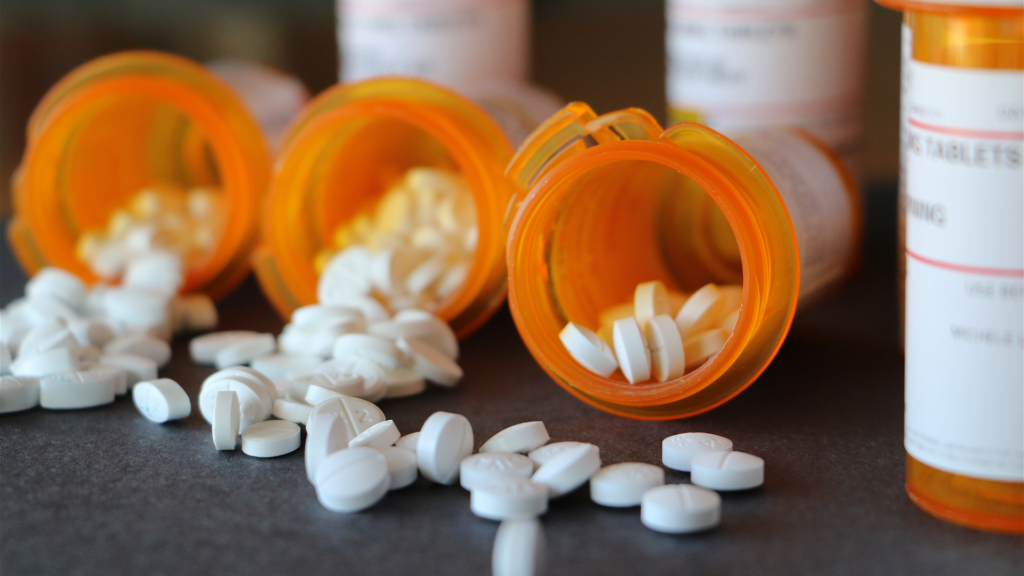
Proper pharmaceutical waste disposal is essential for protecting public health, maintaining regulatory compliance, and safeguarding the environment. Healthcare facilities generate a wide range of pharmaceutical waste daily, from expired medications to controlled substances, and improper handling can lead to serious legal, environmental, and safety risks.
For hospitals, clinics, pharmacies, surgery centers, and laboratories, implementing compliant and efficient pharmaceutical waste management practices is no longer optional; it’s a regulatory and operational necessity. In this guide, we’ll explore the types of pharmaceutical waste, regulatory requirements, and best practices for safe disposal.
Understanding Pharmaceutical Waste: Types and Risks
Pharmaceutical waste includes expired, unused, contaminated, or partially used medications generated by healthcare facilities and pharmacies. Proper classification is critical because different types of waste require different disposal methods.
Common Types of Pharmaceutical Waste
- Non-Hazardous Pharmaceutical Waste
This category includes many over-the-counter medications and certain prescription drugs that are not regulated as hazardous waste. While less dangerous, they still require proper disposal to prevent contamination of water systems and landfills. - Hazardous Pharmaceutical Waste
Hazardous pharmaceuticals may be toxic, ignitable, corrosive, or reactive. Examples include chemotherapy drugs, nicotine products, and certain antivirals. Improper disposal can harm ecosystems, water supplies, and human health. - Controlled Substances
These medications are regulated by the DEA due to their potential for misuse or diversion. Secure handling and documented disposal are required to prevent theft and legal consequences.
Failing to properly manage these waste streams can lead to contamination of waterways, soil pollution, drug diversion, and costly regulatory penalties.
Regulatory Framework for Pharmaceutical Waste Disposal
Healthcare facilities must comply with multiple regulatory agencies when managing pharmaceutical waste.
Key Regulations Healthcare Facilities Must Follow
EPA (Environmental Protection Agency)
The EPA’s Resource Conservation and Recovery Act (RCRA) governs the management and disposal of hazardous pharmaceutical waste to prevent environmental contamination.
DEA (Drug Enforcement Administration)
DEA regulations control the disposal of controlled substances and require secure destruction methods to prevent diversion.
State & Local Regulations
Many states have additional pharmaceutical waste disposal requirements, making compliance even more complex.
Key Compliance Requirements
- Segregate hazardous and non-hazardous pharmaceuticals
- Maintain proper documentation and audit trails
- Train staff regularly on waste handling procedures
- Partner with licensed medical waste disposal providers
Non-compliance can result in substantial fines, reputational damage, and operational risk.
Color Coding and Segregation Best Practices
Segregation is the foundation of compliant pharmaceutical waste management. Using color-coded containers helps ensure proper handling and reduces the risk of cross-contamination.
Standard Color-Coded Pharmaceutical Waste System
- Black Containers: Hazardous pharmaceutical waste (RCRA regulated)
- Blue Containers: Non-hazardous pharmaceutical waste
- Yellow Containers: Chemotherapy and trace chemo waste
Staff training is critical to ensure consistent use of these containers across departments. Proper segregation improves safety, reduces disposal costs, and streamlines compliance.
Safe Pharmaceutical Waste Disposal in Healthcare Settings
Healthcare facilities must implement structured disposal protocols to manage pharmaceutical waste safely.
Essential Disposal Methods
- Professional Pharmaceutical Waste Disposal Services
Licensed medical waste providers ensure compliant transportation, tracking, and destruction of pharmaceutical waste. - Waste Tracking and Documentation
Maintaining records of pharmaceutical waste disposal is essential for audits and regulatory compliance. - Secure Storage Before Disposal
Waste must be stored in designated containers in secure areas until it is collected and destroyed. - Drug Take-Back and Reverse Distribution Programs
Facilities may use reverse distributors for unused medications that can be returned safely.
These methods reduce risks, improve compliance, and protect staff and patients.
Managing Controlled Substances Safely
Controlled substances require heightened security and strict disposal procedures.
Best Practices for Controlled Substance Disposal
- Use DEA-compliant destruction methods
- Maintain secure storage and limited access
- Keep detailed documentation and chain-of-custody records
- Conduct routine compliance audits
Proper disposal helps prevent drug diversion, misuse, and regulatory violations.
Environmental and Public Health Impact
Improper pharmaceutical waste disposal can have long-term environmental consequences.
Risks of Improper Disposal
Water Contamination
Flushing or landfill disposal can introduce pharmaceutical compounds into drinking water and aquatic ecosystems.
Soil Pollution
Medications in landfills can leach into soil, affecting agriculture and wildlife.
Public Health Risks
Improperly discarded drugs increase the risks of accidental poisoning and substance misuse.
Responsible pharmaceutical waste management protects communities and the environment.
Best Practices for Healthcare Facilities
- Develop Clear Waste Management Protocols: Establish written procedures for handling, storing, and disposing of pharmaceutical waste.
- Provide Ongoing Staff Training: Training ensures staff understand regulatory requirements and proper segregation practices.
- Conduct Regular Compliance Reviews: Routine audits help identify gaps and ensure ongoing compliance.
- Partner with a Certified Medical Waste Provider: Working with an experienced provider simplifies compliance and ensures safe disposal.
The Future of Pharmaceutical Waste Management
Healthcare organizations are increasingly adopting sustainable and technology-driven waste management solutions.
Emerging Trends
- Eco-friendly pharmaceutical destruction methods
- Advanced waste tracking technologies
- Increased regulatory oversight and reporting requirements
- Greater focus on sustainability and environmental protection
Facilities that adopt modern waste management strategies will be better positioned for long-term compliance and operational efficiency.
Protect Your Facility with Safe Pharmaceutical Waste Disposal
Pharmaceutical waste disposal is a critical responsibility for healthcare organizations. Proper segregation, regulatory compliance, staff training, and professional disposal services all play a role in protecting patients, staff, and the environment.
Partnering with a trusted medical waste provider ensures your facility remains compliant, efficient, and prepared for evolving regulations.
Contact AMS MedWaste today to learn how we can help you implement safe, compliant pharmaceutical waste disposal solutions.