
Healthcare is no longer confined to hospitals and physician offices. Across Illinois and Wisconsin, mobile healthcare services are becoming an increasingly important part of patient care. From mobile vaccination clinics and blood donation drives to IV therapy, occupational health screenings, and community outreach programmes, healthcare professionals are delivering essential services wherever patients need them.
While mobile care improves accessibility, it also creates unique challenges for medical waste management. Unlike traditional healthcare facilities, mobile providers must safely collect, store, transport, and dispose of regulated medical waste generated in constantly changing environments.
Developing a compliant medical waste management plan is essential for protecting patients, healthcare workers, and the communities these services support.
Why Mobile Healthcare Providers Generate Regulated Medical Waste
Even temporary healthcare settings produce potentially infectious medical waste.
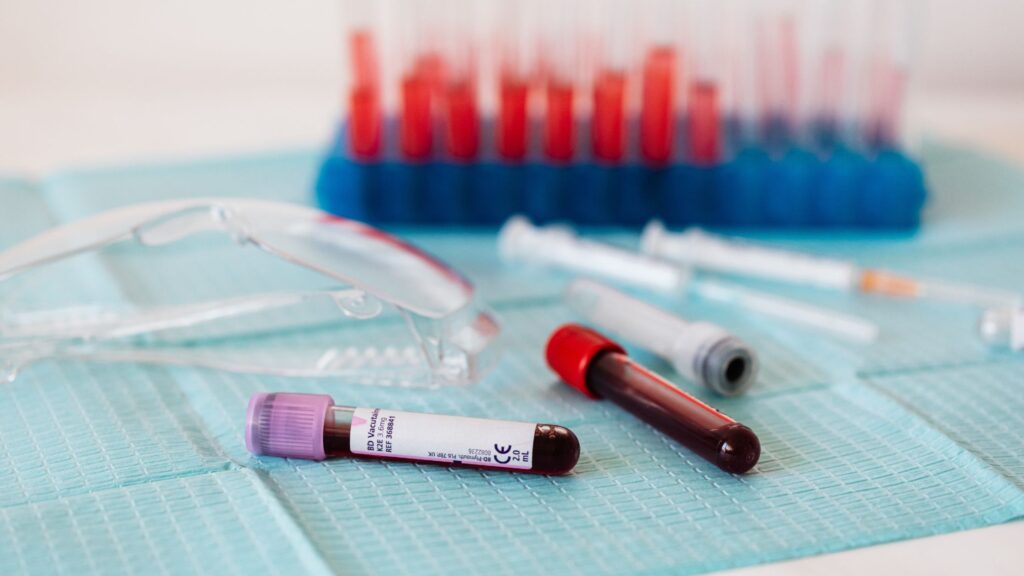
Routine services performed outside a permanent facility often generate used needles, syringes, lancets, blood-soaked materials, gloves, tubing, pharmaceutical waste, and other regulated waste streams. These materials require the same careful handling and disposal as waste generated inside a hospital or clinic.
The location may change, but the responsibility to manage medical waste safely remains the same.
The Challenges of Medical Waste Collection Outside a Traditional Facility
Unlike a doctor’s office with designated storage areas and scheduled collections, mobile healthcare teams operate in schools, community centres, workplaces, churches, parking lots, and temporary event locations.
This means healthcare professionals must think carefully about how waste will be managed throughout the day.
Containers should remain readily accessible to staff while protecting patients and visitors from accidental exposure. Once filled, waste must be securely transported until it reaches an approved disposal facility through a licensed medical waste provider. Having clear procedures in place helps reduce confusion while supporting safe operations in every location.
Sharps Safety Is Especially Important
Sharps remain one of the most common waste streams generated by mobile healthcare providers.
Vaccination programmes, blood collection events, diabetes screenings, and occupational health services all rely on needles or lancets that must be disposed of immediately after use.
Approved sharps containers should always be available at the point of care so used sharps can be discarded without delay. Overfilled or improperly stored containers increase the risk of accidental needlestick injuries and should never be transported unsecured.
Professional medical waste partners help ensure filled containers are collected, transported, and treated according to applicable regulations.
Planning Ahead Makes Mobile Clinics More Efficient
Successful mobile healthcare programmes don’t simply plan for patient care; they also plan for waste management. Before arriving at a site, providers should determine:
- How much regulated medical waste is likely to be generated.
- Which container sizes will be required.
- Where full containers will be stored safely.
- How waste will be transported after the event.
Addressing these questions before services begin allows healthcare teams to focus on patients instead of logistics.
Environmental Responsibility Matters Too
Many healthcare organisations are looking for ways to reduce their environmental impact without compromising safety.
AMS Med Waste supports sustainability by offering treatment processes that divert regulated medical waste from landfills through sterilisation and waste-to-fuel technologies whenever appropriate. This approach helps healthcare providers achieve both compliance and environmental goals while maintaining patient safety.
For organisations that regularly participate in community outreach programmes, partnering with a provider that values environmentally responsible disposal can support broader sustainability initiatives.
Choosing a Medical Waste Partner for Mobile Healthcare
Not every medical waste provider understands the flexibility mobile healthcare requires.
Whether your organisation operates one mobile clinic or multiple outreach teams across Northern Illinois and Southern Wisconsin, your provider should offer dependable scheduling, responsive customer service, compliant transportation, and container solutions that match your programme’s needs.
Working with an experienced medical waste partner allows healthcare professionals to concentrate on delivering quality patient care rather than managing disposal logistics.
Frequently Asked Questions
Do mobile healthcare providers need regulated medical waste disposal services?
Yes. Any mobile healthcare provider generating potentially infectious medical waste, sharps, or pharmaceutical waste must ensure these materials are handled and disposed of in accordance with applicable state and federal regulations.
Can sharps containers be transported after a mobile clinic?
Yes, provided they are approved containers that have been properly closed, secured, and transported according to regulatory requirements and your medical waste management procedures.
What types of mobile healthcare services generate medical waste?
Mobile vaccination clinics, blood drives, IV therapy providers, occupational health programmes, health screenings, mobile laboratories, dental outreach clinics, and community healthcare initiatives commonly generate regulated medical waste.
How often should mobile healthcare providers schedule medical waste collection?
Collection frequency depends on the volume of waste generated and the number of mobile events conducted. An experienced medical waste provider can recommend a collection schedule that supports compliance while meeting operational needs.
Supporting Safe Healthcare Wherever Care Is Delivered
Mobile healthcare is helping more patients receive timely, convenient access to essential medical services throughout Illinois and Wisconsin.
As these programmes continue to grow, effective medical waste management becomes just as important as the care itself. By planning, using appropriate containers, following established handling procedures, and partnering with a trusted disposal provider, mobile healthcare organisations can maintain compliance while protecting healthcare workers, patients, and the communities they serve.
Whether care is delivered inside a clinic or from a mobile unit, safe medical waste disposal remains an essential part of quality healthcare.
Contact AMS Med Waste
If your organisation operates a mobile healthcare programme, vaccination clinic, occupational health service, or community outreach initiative, AMS Med Waste can help you stay compliant with dependable, flexible medical waste solutions.
AMS Med Waste provides regulated medical waste disposal, sharps disposal, pharmaceutical waste management, chemotherapy waste disposal, compliance support, and environmentally responsible treatment solutions for healthcare providers throughout Northern Illinois and Southern Wisconsin.
Contact AMS Med Waste today to request a customised medical waste management solution that supports your mobile healthcare operations.