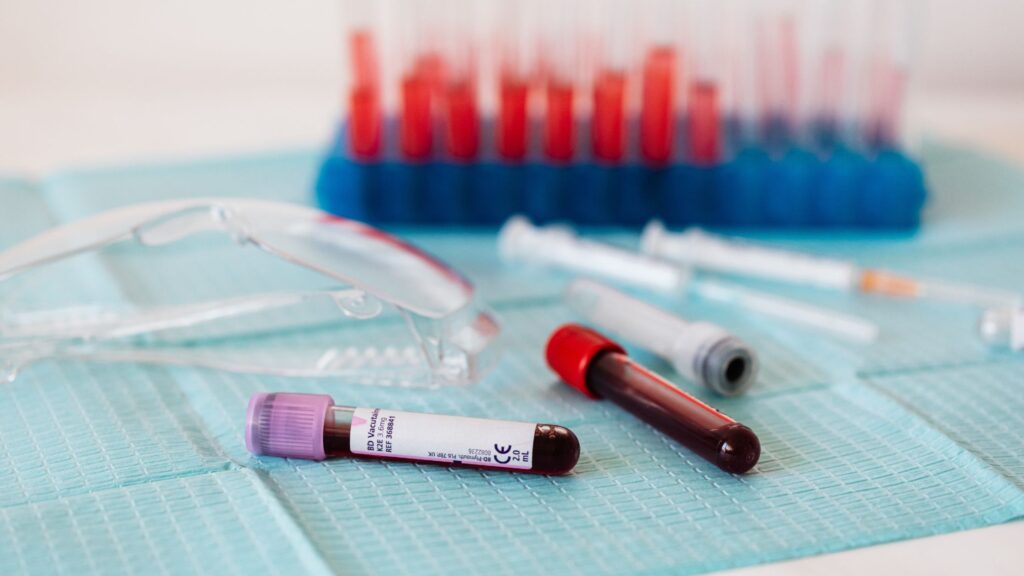

Clinical laboratories and diagnostic testing facilities play a vital role in modern healthcare. Every day, they process blood samples, tissue specimens, microbiological cultures, and other materials that help physicians diagnose illnesses and guide patient care.
While much of the focus is on accuracy and turnaround times, laboratories also have another important responsibility: managing medical waste safely and compliantly.
Unlike a traditional physician’s office, laboratories generate a unique mix of potentially infectious materials, sharps, pathological waste, and occasionally pharmaceutical waste. Improper handling not only creates safety risks for employees but can also lead to regulatory violations and environmental concerns.
For laboratories throughout Northern Illinois and Southern Wisconsin, implementing a reliable medical waste management program is essential to maintaining a safe workplace and meeting state and federal requirements.
Why Laboratory Waste Requires Special Attention
Laboratories generate a diverse range of regulated waste streams. Blood collection materials, contaminated pipettes, specimen containers, culture plates, disposable PPE, and sharps may all require specific handling procedures.
Unlike ordinary office waste, these materials may contain infectious agents capable of exposing laboratory personnel, housekeeping staff, waste handlers, and the public, if they are disposed of improperly.
A comprehensive medical waste disposal program helps ensure that potentially infectious materials are identified, segregated, stored, and transported according to applicable regulations. AMS Med Waste provides customized collection programs for laboratories and other healthcare facilities throughout Northern Illinois and Southern Wisconsin.
Proper Waste Segregation Is the Foundation of Compliance
One of the most common causes of compliance issues isn’t transportation; it’s improper segregation at the point where waste is generated.
Laboratory employees should understand which materials belong in regulated medical waste containers and which can be disposed of through standard waste streams. Mixing non-regulated waste with infectious waste increases disposal costs, while placing regulated waste into ordinary trash creates significant compliance and safety risks.
Using clearly labelled containers throughout the laboratory helps staff dispose of waste correctly without disrupting workflow.
Sharps Safety Should Never Be Overlooked
Laboratories routinely handle needles, lancets, scalpels, broken glass, and other sharp instruments.
These items create one of the highest risks for workplace injuries because accidental punctures may expose employees to bloodborne pathogens.
Puncture-resistant sharps containers should always be readily accessible wherever sharps are used. Containers should never be overfilled, and staff should avoid recapping needles whenever possible to reduce injury risks.
AMS Med Waste supplies OSHA-compliant sharps containers designed to reduce exposure risks while supporting safe disposal practices.
Storage Practices Matter More Than Many Facilities Realize
Medical waste doesn’t simply disappear after it’s placed into a container.
Until scheduled collection occurs, waste must remain securely stored in designated areas that prevent unauthorized access while minimizing exposure risks.
Storage areas should remain clean, organized, and clearly identified. Employees responsible for handling regulated waste should receive ongoing training so they understand storage procedures and know how to respond if spills or container damage occur.
Consistent internal procedures help laboratories remain inspection-ready throughout the year.
Sustainable Medical Waste Disposal Benefits Everyone
Healthcare organizations are placing greater emphasis on sustainability, and laboratories are no exception.
Many facilities are looking beyond simple disposal methods and seeking environmentally responsible alternatives that still meet strict regulatory requirements.
AMS Med Waste offers a “no landfill” approach by utilizing an ozone sterilization process before converting treated medical waste into an alternative fuel source. This process reduces landfill waste while supporting a cleaner, more sustainable disposal solution without compromising safety or compliance.
Choosing the Right Medical Waste Partner
Medical waste disposal isn’t just about scheduled pickups.
The right provider should help laboratories simplify compliance by offering flexible pickup schedules, appropriately sized containers, knowledgeable customer support, and dependable service that adapts as laboratory workloads change.
Whether a laboratory processes dozens of specimens each day or thousands each week, waste management programs should be tailored to the facility’s operational needs.
AMS Med Waste provides customized collection schedules, GPS-tracked transportation, secure containers, and responsive customer service for laboratories of all sizes.
Frequently Asked Questions
What types of medical waste do laboratories generate?
Laboratories commonly generate infectious waste, sharps, pathological waste, contaminated PPE, specimen containers, blood collection materials, and certain pharmaceutical waste, depending on their services.
How often should laboratory medical waste be collected?
Collection frequency depends on the laboratory’s waste volume, available storage space, and state regulations. Many facilities choose weekly, bi-weekly, or customized pickup schedules.
Why is waste segregation so important?
Proper segregation improves workplace safety, supports regulatory compliance, and helps laboratories avoid paying regulated disposal costs for materials that don’t require special handling.
Can laboratories choose environmentally responsible disposal options?
Yes. AMS Med Waste provides sustainable disposal solutions that sterilize regulated waste through ozone treatment before converting it into an alternative fuel source rather than sending it to a landfill.
Building a Safer Laboratory Starts With Smarter Waste Management
Laboratories are built around precision, consistency, and attention to detail. Medical waste management should follow the same principles.
By implementing proper segregation procedures, maintaining safe storage practices, using compliant sharps containers, and partnering with an experienced medical waste provider, laboratories can protect employees, support regulatory compliance, and contribute to a safer healthcare environment.
A dependable medical waste management program allows laboratory professionals to focus on delivering accurate diagnostic results while knowing their regulated waste is being handled responsibly.
Contact AMS Med Waste
Whether you operate a clinical laboratory, diagnostic testing center, pathology lab, or research facility, AMS Med Waste provides customized medical waste management solutions designed to keep your operation safe and compliant.
Contact AMS Med Waste today to request a customized quote and learn how we can help simplify your laboratory’s medical waste management program.