Blood banks and plasma donation centers play a vital role in healthcare by ensuring hospitals, emergency departments, and patients have access to lifesaving blood products. Every donation collected has the potential to save lives, but it also generates regulated medical waste that must be managed carefully.
From used collection needles and blood tubing to contaminated personal protective equipment (PPE) and blood-soaked materials, blood collection facilities handle waste streams that require specialized disposal. Failing to manage these materials properly can increase the risk of employee exposure, create compliance concerns, and negatively impact operational efficiency.
For blood banks throughout Northern Illinois and Southern Wisconsin, partnering with an experienced medical waste provider helps simplify compliance while maintaining a safe environment for staff, donors, and the surrounding community.
Why Blood Banks Generate Unique Medical Waste
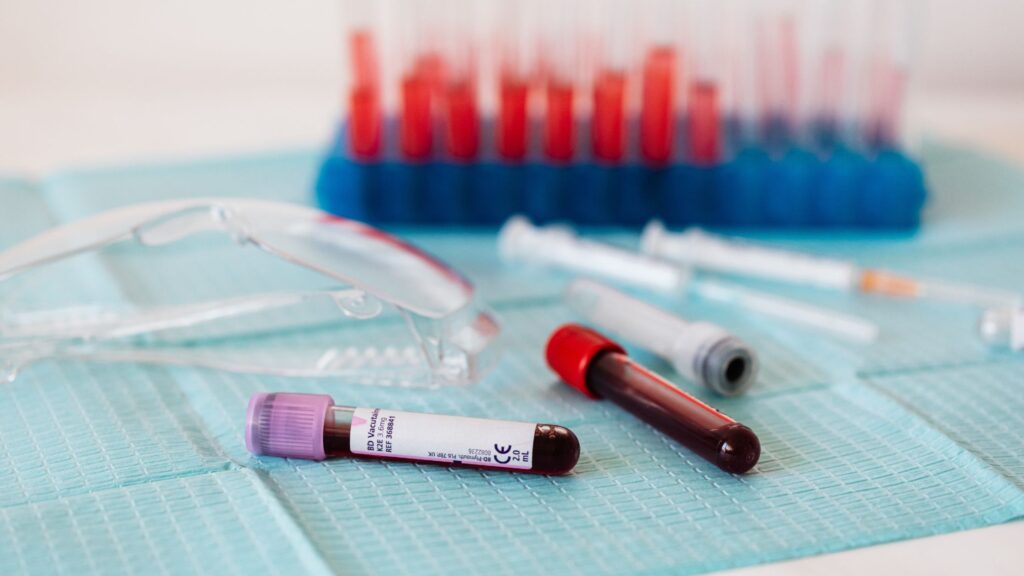
Unlike many healthcare facilities, blood banks generate large volumes of similar waste every day. Every successful donation creates regulated waste that must be handled according to federal and state regulations. Common waste generated by blood collection facilities includes:
- Used needles and lancets
- Blood collection tubing and bags
- Blood-soaked gauze and dressings
- Contaminated gloves and PPE
- Specimen collection materials
- Sharps containers
Although these materials are generated through routine procedures, they should never be disposed of with standard municipal waste. Proper segregation and disposal help reduce exposure risks while supporting regulatory compliance. AMS Med Waste provides customized collection programs for blood banks and other healthcare facilities throughout Northern Illinois and Southern Wisconsin.
Safe Waste Segregation Starts at the Collection Station
Medical waste management begins long before scheduled pickup.
Every employee involved in donor care should understand how to separate regulated medical waste from ordinary trash correctly. Clear waste segregation reduces contamination, protects housekeeping personnel, and helps facilities avoid unnecessary disposal costs.
Sharps should always be placed directly into approved sharps containers immediately after use. Blood-contaminated materials should be disposed of in designated regulated medical waste containers, while non-contaminated packaging and office waste can often enter standard recycling or trash streams.
When waste is sorted correctly from the beginning, the entire disposal process becomes safer and more efficient.
Sharps Safety Is Critical in High-Volume Donation Facilities
Blood collection centers may use hundreds of needles during a single day.
Because of this volume, properly managed sharps containers are one of the most important safety measures within the facility.
Containers should be conveniently located, replaced before they become overfilled, and inspected regularly to ensure they remain in good condition. Employees should never attempt to force additional sharps into a full container or recap used needles, as these practices significantly increase the risk of accidental needlestick injuries.
Providing staff with readily available OSHA-compliant sharps containers supports a safer workplace while simplifying compliance. AMS Med Waste offers secure sharps disposal solutions designed for facilities with varying collection volumes.
Reliable Pickup Schedules Help Prevent Storage Problems
Blood collection volumes can fluctuate throughout the year. Community blood drives, emergency donation campaigns, and seasonal shortages often create temporary increases in medical waste.
Working with a medical waste provider that offers flexible pickup schedules allows facilities to adapt without compromising safety or exceeding storage capacity.
Rather than forcing organizations into rigid service plans, customized pickup schedules help ensure waste is removed before storage areas become overcrowded while reducing unnecessary service visits during slower periods.
This flexibility allows blood banks to focus on donor care instead of worrying about waste accumulation.
Sustainability Is Becoming Increasingly Important
Healthcare organizations continue looking for ways to reduce their environmental impact while maintaining strict safety standards.
AMS Med Waste supports these efforts through its “no landfill” approach. Instead of relying solely on landfill disposal or traditional incineration, regulated medical waste undergoes enclosed ozone sterilization before being converted into an alternative fuel source. This process helps reduce landfill use while supporting environmentally responsible waste management.
For organizations that value sustainability alongside compliance, environmentally conscious disposal practices can become an important part of their broader operational goals.
Choosing a Medical Waste Partner That Understands Your Facility
Medical waste management should never be treated as a one-size-fits-all service.
Blood banks have unique operational demands, fluctuating donation volumes, and strict safety protocols. An experienced medical waste provider understands these challenges and provides collection schedules, container options, and customer support that fit the needs of each facility.
AMS Med Waste serves a variety of healthcare organizations, including hospitals, laboratories, blood banks, physician offices, and long-term care facilities, by delivering responsive service, customer-friendly contracts, and customized waste management solutions.
Frequently Asked Questions
What medical waste do blood banks generate?
Blood banks commonly generate used needles, collection tubing, contaminated gloves, blood-soaked gauze, specimen containers, and other regulated medical waste generated during blood collection procedures.
How often should blood banks schedule medical waste pickups?
Pickup frequency depends on donation volume, available storage space, and applicable regulations. Many facilities benefit from customized schedules that adjust as operational needs change.
Why is proper sharps disposal so important?
Proper sharps disposal reduces the risk of accidental needlestick injuries and helps protect employees, contractors, and waste handlers from exposure to bloodborne pathogens.
Can medical waste disposal also support sustainability goals?
Yes. AMS Med Waste offers environmentally responsible treatment through its ozone sterilization process that converts treated medical waste into an alternative fuel source instead of sending it to a landfill.
Safe Blood Collection Starts With Responsible Waste Management
Every successful blood donation depends on careful attention to safety from the moment a donor arrives until medical waste leaves the facility.
By implementing proper waste segregation practices, maintaining secure sharps disposal procedures, and partnering with a dependable medical waste provider, blood banks can create a safer environment for employees and donors while maintaining compliance with applicable regulations.
A reliable waste management program allows blood collection professionals to focus on what matters most: helping save lives while knowing their regulated medical waste is being managed responsibly.
Contact AMS Med Waste
Whether you operate a blood bank, plasma donation center, hospital blood collection department, or community donation facility, AMS Med Waste provides customized medical waste disposal solutions designed to support safe, compliant operations.
From regulated medical waste disposal and OSHA-compliant sharps containers to flexible pickup schedules and environmentally responsible treatment, we proudly serve healthcare organizations throughout Northern Illinois and Southern Wisconsin.
Contact AMS Med Waste today to request a customized quote and discover how our responsive service and tailored medical waste solutions can help your facility remain safe, compliant, and efficient.